

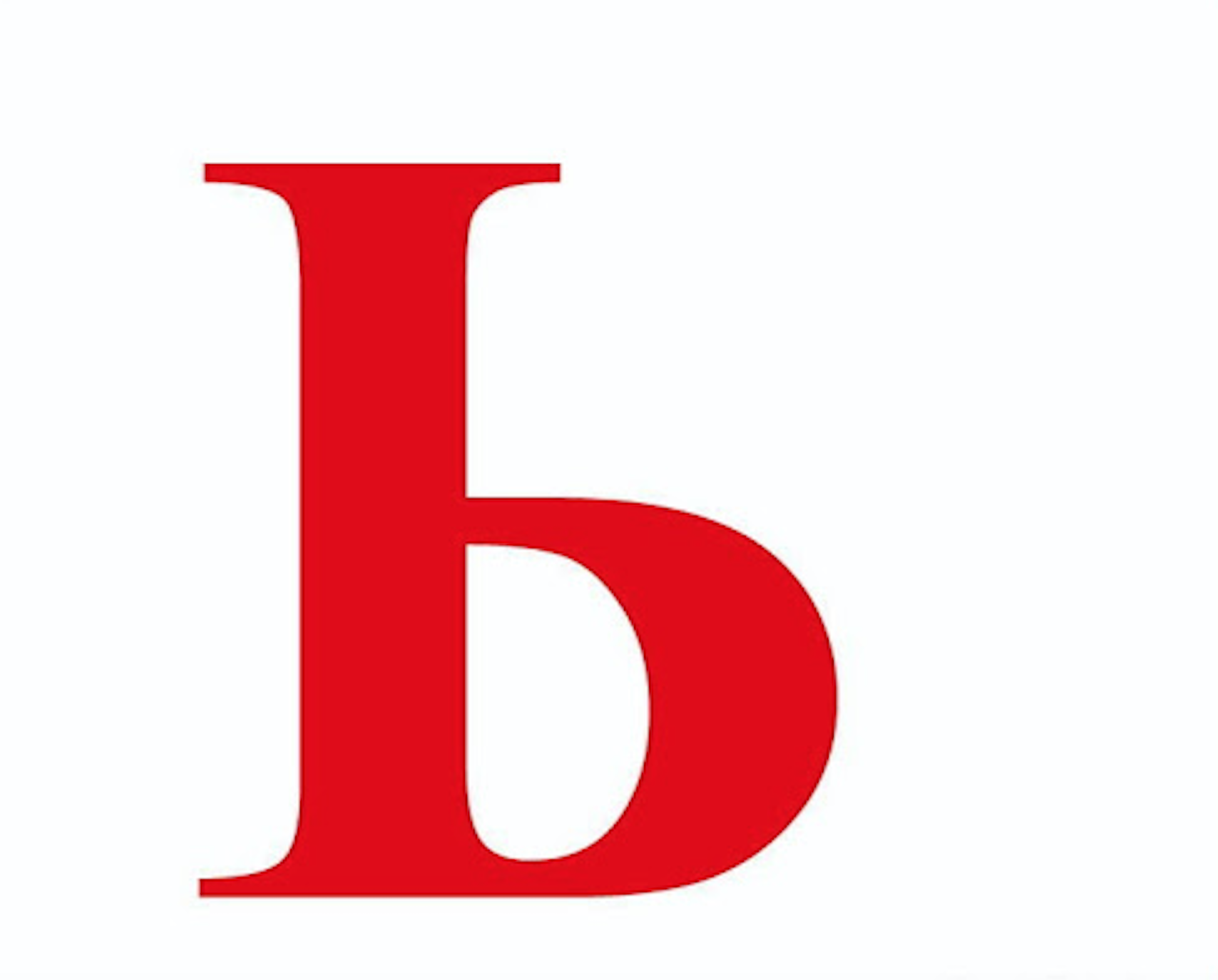
Russian words that end in the soft sign (ь) can be tricky: are they masculine or feminine? Unlike most nouns, their gender is not always obvious from the ending alone. In this guide, you’ll learn how to recognize the gender of these words, spot common patterns, and avoid typical mistakes.
Masculine words ending in ь
A word ending in ь is masculine in the following cases:
Natural gender
Words that refer to a man are grammatically masculine. Think of царь (tsar), король (king), зять (son-in-law), and парень (boy, boyfriend, young man).
Calendar months
All months in Russian are masculine. This is obvious with март, май, and август, but it also applies to январь, февраль, апрель, июнь, июль, сентябрь, октябрь, ноябрь, and декабрь.
Other examples include:
- Most nouns ending in –тель, such as краситель (dye, colorant), строитель (builder), учитель (teacher), выключатель (switch), смотритель (watchman), водитель (driver), руководитель (boss, supervisor), читатель (reader), портфель (portfolio), приятель (friend).
- Most nouns ending in –арь, such as вратарь (goalkeeper), дикарь (savage), пекарь (baker), календарь (calendar), словарь (dictionary), букварь (primer, ABC book).
- A miscellaneous category of words that follow another rule or just need to be memorized, like тюль (tulle), рояль (grand piano), шампунь (shampoo), конь (horse, stallion), фонарь (lantern), якорь (anchor), дождь (rain), путь (path), день (day), полдень (noon), картофель (potato), корабль (ship), and Кремль (Kremlin).
Feminine nouns ending in ь
A word ending in ь is feminine in these cases:
Natural gender
Words that refer to a woman are grammatically feminine, such as мать (mother), дочь (daughter), свекровь (mother-in-law). You can also often identify feminine words by looking at the last two letters, as explained further below.
Ends in -ость
Words ending in –ость are feminine (those ending in –ть usually are as well). There are many of these; it’s similar to the English ‘-ness’ or Dutch ‘-heid’. For example, мягкость (softness), смелость (bravery), нежность (tenderness), глупость (stupidity), близость (proximity), плотность (density), любознательность (curiosity). Other examples include сухость (dryness), специальность (specialty), радость (joy), and so on.
Ends in -бь, -вь, -дь, -зь, -сь, -ть
Most words ending in these letters are feminine. Examples include любовь (love), ненависть (hatred), тетрадь (notebook), площадь (square), высь (height), связь (connection), спесь (pride), церковь (church), мечеть (mosque), обувь (shoes), кровать (bed), and нефть (oil).
However, there are exceptions. Animal names such as голубь (pigeon), лебедь (swan), медведь (bear), гусь (goose), and лось (elk) are masculine. Other exceptions include гвоздь (nail), дождь (rain), коготь (claw), ноготь (nail), вождь (leader), локоть (elbow), and гость (guest). Some fall under other rules, such as тесть (father-in-law), which is masculine due to natural gender.
Ends in -чь, -шь, -щь, жь
Feminine examples include ночь (night), полночь (midnight), мышь (mouse), вещь (thing), брошь (brooch), помощь (help), and рожь (rye), which can be identified by their last two letters.
Mixed
Unfortunately, these rules don’t apply to everything. Words ending in –ль, –нь, or –рь can be either masculine or feminine. Masculine examples include спектакль (performance), огонь (fire), алкоголь (alcohol), and фестиваль (festival). Feminine examples include медаль (medal), модель (model), мишень (target), осень (autumn), жизнь (life), and дверь (door).
Helpful links and videos can guide you further.
Soft sign stories – Russian words ending in a soft sign -ь
(Russian with Tamara, 2019, 3 mins)
Русская грамматика: род существительных, заканчивающихся на Ь
(русский с носителем, 2018, 9 mins)
More
- Слова на мягкий знак (-Ь): мужской или женский род? (Oleg Ilyasov, 2019, 4 mins)
- Nouns with tricky genders (College Russian, 2018, 2 mins)
- Существительные мужского и женского рода на Ь (Anastasija Žakula, 2018, 4 mins)
- Nouns Ending with a Soft Sign. What’s Their Gender? (Be Fluent in Russian, 2017, 4 mins)
- Мягкий знак в конце слова (Русский язык с Таней Ключ, 2017, 2 mins)
If you’re not sure, guess feminine. Most words ending in –b fall into that category.
Follow Rusland1 on X
Discover more about Russian, Russia and Russians at Rad Russia
Listen to Russian music at Music in Russian
More
Language
Learn Russian With New Channels
Language
Presenting seven new professors at YouTube University

Little Russia (Zemfira Amsterdam)
Language
The totally unprofessional report of Zemfira live in Amsterdam (November 4, 2024)

TO WORK! RUSSIAN VERB VOCABULARY
Language
Reaons and ways to work with the treasure trove of Russian verbs

Learn Russian with News
Language
The good news in all the news

Russian Propositional Case (#6)
Language
When to use the sixth of the six Russian cases

OPERATION WAR
Language
A war that has been going on for two years, and a pause that ends after three. The state of the world, and of this site.
