

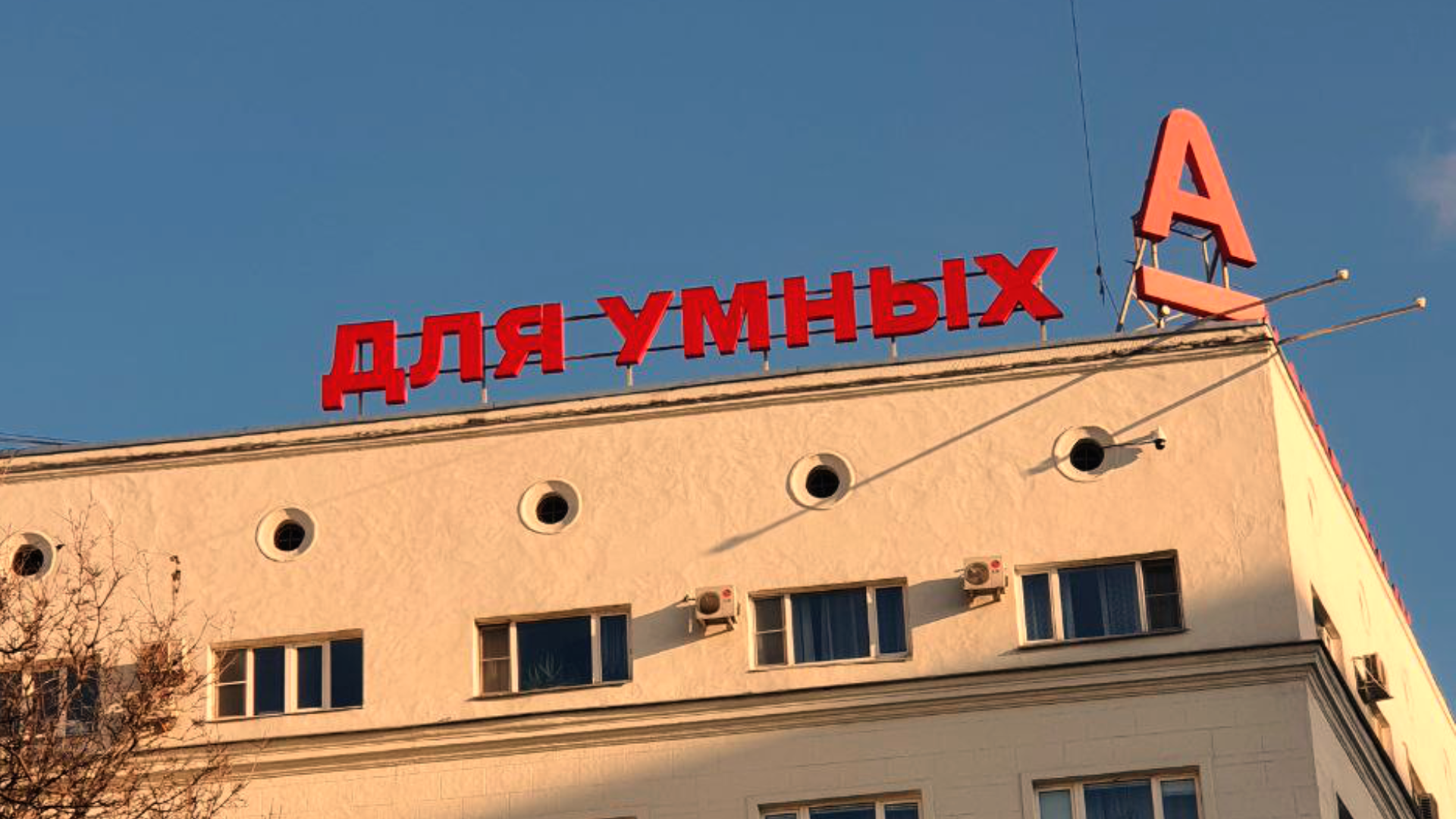
As easy as it things were with the first or nominative case, they become much more complicated with the second. The Russian genitive case (родительный падеж) is challenging in several aspects. It is the most used and versatile, but also the most complex of the six Russian cases.
Usage of the Russian genitive case
Of the
The Russian genitive is a ‘of the’ (or ‘of the’) case. Where Dutch uses compound words (schoonheidssalon, wereldkampioenschap) and English uses separate words (beauty salon, world championship), Russian uses the second or genitive case. Thus, you get салон красоты (salon of beauty) and чемпионат мира (championship of the world). The final letter of красота (beauty, feminine) changes to ы, and an a is added to мир (world, masculine).
Genitive Case-4. Possession and Attribution (Amazing Russian, 2018, 10 mins) provides (from 7:39) more and similar examples, such as музей шоколада (chocolate museum), джинсы америки (American jeans), дом книги (bookhouse), машина времени (time machine), студия красоты (beauty studio), день московского футбола (day of Moscow football), азбука вкуса (alphabet of taste), and прогноз погоды (weather forecast). It is part 4 of a series, so not meant to be a starting point.
Comparative Degree
Bigger than, younger than: you also use the genitive for that. It makes the ‘than’ (in Russian чем) unnecessary. He is smarter (умнее) than Viktor: он умнее Виктора. The extra a on Viktor’s name puts him in the genitive case, which is enough. ‘Than’ in Russian is чем, so он умнее чем Виктор is also possible.
More in Making Comparisons. Comparatives (Amazing Russian, 2018, 18 mins).
Possession
The second case is also necessary to express ownership or possession. Ivan’s house: дом Ивана. The ‘of’ is unnecessary because of the genitive case. It gives Ivan an extra a. He is still Ivan (and not an Ivana), and it is his house. The genitive is often used with names, and also with ‘having.’ After у in у … есть (to have), the genitive follows.
More in Beginning Russian: Genitive Case-1: Personal Pronouns with У+ ЕСТЬ (Amazing Russian, 2018, 11 mins), Genitive Singular. Practice: У КОГО ЧТО ЕСТЬ (Amazing Russian, 2018, 4 mins), and Genitive for Attribution and Possession (Russian grammar, 2013, 2 mins). See also Have have have and Expressing connection, relationship with У (Russian grammar, 2020, 3 mins).
Absence
Also, use the second case when something is absent. So what isn’t there becomes slightly different from what is. Internet is интернет, but no internet is нет интернета. Sugar is сахар, but without sugar is без сахара.
More about that in Russian Cases – Genitive for Absence and Non-existence (Russian grammar, 2013, 3 mins) and Genitive Case-3. Nonexistence and Absence with НЕТ (Amazing Russian, 2018, 11 mins).
Quantity
You also use the genitive to indicate quantity. Thus, after numbers (a topic in itself and for later), and also with words like сколько (how much), много (a lot), немного (a little), мало (few), несколько (several), and the like.
More in Russian Cases – Expressing Quantity with the Genitive (Russian grammar, 2013, 3 mins) and Genitive Case-6. Genitive After Numbers and Expressions of Quantity (Amazing Russian, 2018, 10 mins).
Time and Date
Russian also uses ‘of’ constructions to indicate time and date, and thus also uses the genitive case. The calendar is a subject in itself for later. For time, see Telling time in Russian.
Prepositions
Besides after у and без, also the second case follows the prepositions для (for), из-под (from under), из (from), кроме (except), от (from), около (near), напротив (opposite), позади (behind), and из-за (because of). Also after после (after), мимо (past), впереди (ahead), вокруг (around), and many more.
More in Грамматика русского языка : предлоги родительного падежа (русский с носителем, 2018, 10 mins) and Genitive case (with prepositions) Russian grammar (Ru-Land Club, 2015, 6 mins).
Declensions in the Russian genitive case
Shortened and simplified:
Masculine
- Masculine words get an a or я. The a is added, and the я replaces й or ь.
- Adjectives get the ending –ого or –его (where г sounds like a v).
Feminine
- Feminine words get an ы or и. Replace а with ы. Replace я and ь with и.
- If the word ends in ия, the я becomes a й.
- After г, к, х, ж, ч, ш, and щ, always use и and never ы.
- Adjectives get the ending –ой or –ей.
Neuter
- Just like masculine words, neuter words get an a or я. Replace о with а. Replace е with я.
- If the word ends in ие, the е becomes a й.
- Adjectives are the same as for masculine.
- Many loanwords are neuter. They do not change.
More
- The personal pronouns я, ты, он, она, мы, вы, and они change to меня, тебя, его, её, нас, вас, их. More in Personal Pronouns in the Genitive (Russian grammar, 2013, 3 m).
- Sometimes a letter disappears when another is added. From father: отец becomes отца. The a is added, and the e disappears, making it easier to pronounce.
- The stress can shift. Like from стóл (table) to столá and from гарáж (garage) to гаражá.
Useful and worth reviewing are Genitive Case-2: Genitive Singular Forms (Amazing Russian, 2018, 13 mins), The genitive case. Endings. Masculine and neuter (Russian Language for Life and Work, 2018, 10 mins), and The genitive case. Endings. Feminine (Russian Language for Life and Work, 2018, 9 mins).
Learning and Study
What applies to Russian cases in general, especially applies to the second. Don’t rush or try to learn everything at once. General knowledge of what the genitive is for and when to use it, and the changes it can cause (in singular), is a good start.
You can also become familiar with the genitive through entertainment. See Genitive Case: learn Russian with songs (Russian with Dasha, 2020, 11 mins) and Russian Grammar Cases through the film Ирония судьбы – Genitive Case (Angelos Georgakis, 2016, 15 mins).
Study tips in How to master Russian Genitive in a simple way (LMastery, 2019, 15 mins), you can practice (at different levels) at Russian for Free, and an exam at pace is offered by this 6 Minute Cases Drill. Part 1. Genitive Singular (Russian from Russia, 2018, 6 mins).
Родительный падеж. Существительные. Часть 1
(О русском по-русски, 2019, 23 mins)
There is also a part 2 (2019, 15 mins)
Russian grammar lessons: Genitive Case – Part 1
(Anna Cher, 2018, 12 mins)
There is also a part 2 (2018, 7 mins)
Russian Cases: Nouns in the Genitive Singular
(Russian grammar, 2013, 7 mins)
From the same channel, a playlist (12 videos) on the genitive, and an explanation on the Genitive Case of Modifiers (2013, 5 mins).
More Russian Genitive Case
Watch
- Russian Genitive Case (LRW Alfia, 2019, 23 mins)
- HAS and there is NO (Russian genitive case) (R for Russian, 2019, 14 mins); from the same channel is Russian Genitive case 2 (adding feminine gender) (2019, 14 mins), Genitive case 3, examples, Double genitive case (2019, 5 mins), and Genitive case OVERALL examples (adding, till, from, numbers) (2019, 14 mins)
- Genitive case in Russian // Genitive noun endings (Russian to the world, 2019, 9 mins)
- Genitive Case in Russian – Basic Russian (E-Russian, 2019, 9 mins)
- 20 examples of Russian Genitive case (Russian with Nastya, 2018, 3 mins)
- Родительный падеж РКИ (Marina, 2017, 19 mins)
- Genitive Case In Practice (Be Fluent in Russian, 2017, 5 mins)
- Genitive case. Formation. Russian language lessons (Victoria Arysheva, 2016, 8 mins); from the same channel is Genetive case. Use 2. Russian language lessons (2016, 2 mins)
- Russian lesson – Genitive case (RussianPlus, 2015, 10 mins)
- Genitive case – Russian grammar (A. Romaker, 2014, 12 mins); from the same channel is у меня есть, у меня нет… I have, I don’t have + Genitive case (2014, 10 mins)
- The Genitive Case of Singular Russian Nouns (Fun Russian, 2013, 4 mins)
See/read
- A Comprehensive Guide to the Russian Genitive Case (Clozemaster)
- Russian Genitive Case (Russian Lessons)
- Russian Grammar Tables (Russian for Free)
- The Genitive Case (Master Russian)
- Wikibooks
Follow Rusland1 on X
Discover more about Russian, Russia and Russians at Rad Russia
Listen to Russian music at Music in Russian
More
Language
Learn Russian With New Channels
Language
Presenting seven new professors at YouTube University

Little Russia (Zemfira Amsterdam)
Language
The totally unprofessional report of Zemfira live in Amsterdam (November 4, 2024)

TO WORK! RUSSIAN VERB VOCABULARY
Language
Reaons and ways to work with the treasure trove of Russian verbs

Learn Russian with News
Language
The good news in all the news

Russian Propositional Case (#6)
Language
When to use the sixth of the six Russian cases

OPERATION WAR
Language
A war that has been going on for two years, and a pause that ends after three. The state of the world, and of this site.
