

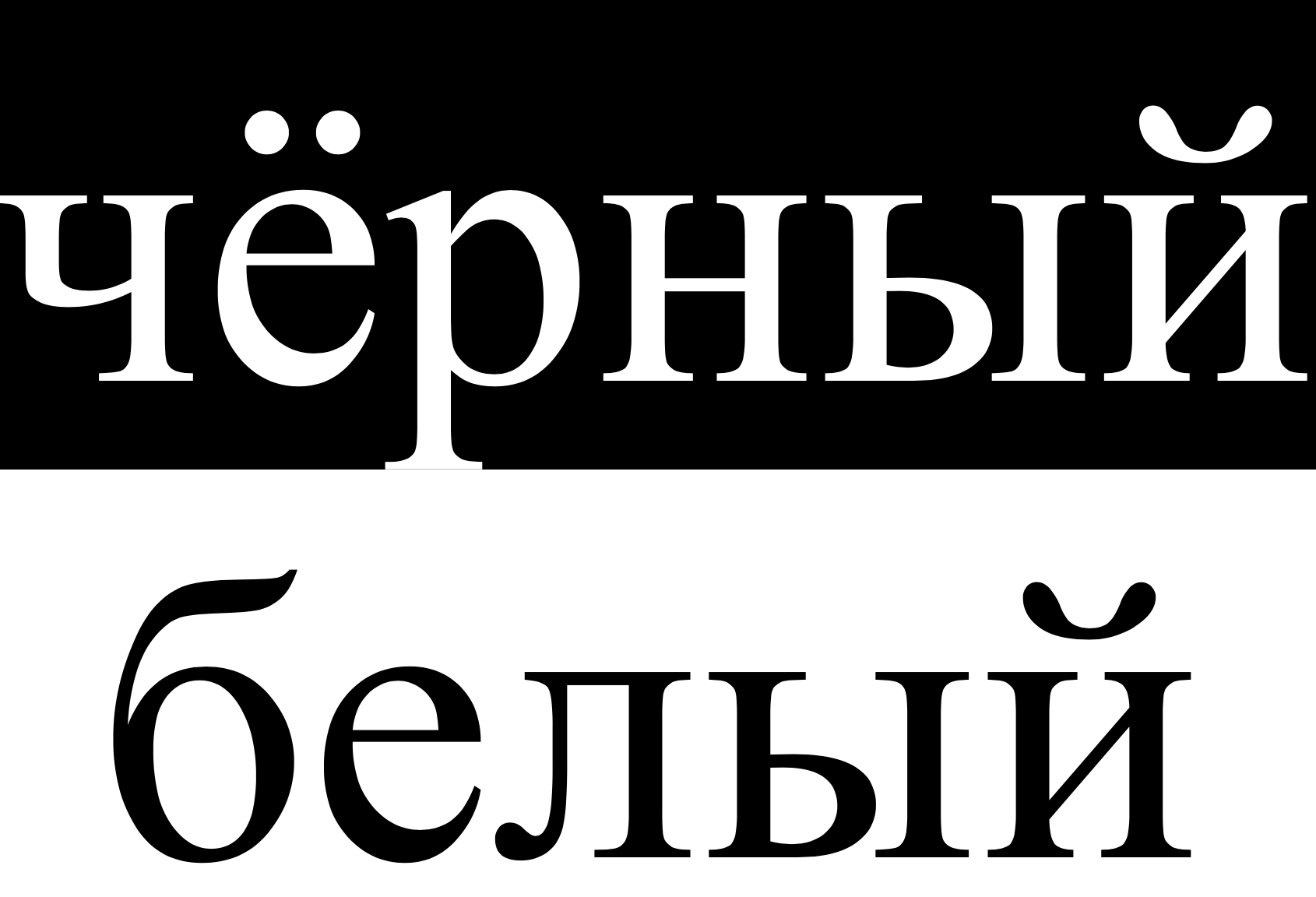
Following the introduction on Russian adjectives, where it was suggested to practice them with opposites or antonyms (in Russian антонимы). They weren’t provided then and there, but here they are now: common Russian opposites with clear examples and explanations.
Negation with не
Often, if you don’t know the antonym of an adjective, it’s not a problem. Just add не (not) in front of it, and you’re done. English does something similar with prefixes like “un-” or “in-”: unethical, unattractive, and so on. These forms, however, tend to be softer or milder than true antonyms: “unethical” and “unattractive” may overlap with “mean” and “ugly,” but they don’t carry the same force.
You can also use не (or ни)) to form negative sentences, adverbs (где = where, нигде = nowhere; кто = who, никто = no one), and more. See the following videos for the differences between не and ни, and between не and нет.
- НЕТ, НЕ и НИ + Винительный или Родительный падеж? (О русском по-русски, 2020, 16 mins)
- Negative Pronouns and Adverbs: НЕ-words (Amazing Russian, 2019, 13 mins), from the same channel Negative Pronouns and Adverbs: НИ-words (2019, 13 mins)
- Difference between НЕТ and НЕ (Live Russian, 2019, 5 mins)
- Negative sentences in Russian | Drill & Practice (Maria Petrova, 2019, 7 mins)
- Ни vs Не | Compare ‘n Contrast (Be fluent in Russian, 2017, 9 mins)
Vocabulary: 33 Russian Opposites
Now, onto the antonyms themselves. Here’s a list of common ones. (There are, of course, many more. Entire dictionaries are available.)
- богатый (rich) – бедный (poor)
- большой (big) – маленький (small)
- быстрый (fast) – медленный (slow)
- высокий (high/tall) – низкий (low)
- глупый (stupid) – умный (smart)
- громкий (loud) – тихий (quiet)
- грустный (sad) – весёлый (cheerful)
- грязный (dirty) – чистый (clean)
- дешёвый (cheap) – дорогой (expensive)
- дикий (wild) – домашний (domestic)
- длинный (long) – короткий (short)
- жадный (greedy) – щедрый (generous)
- злой (mean) – добрый (kind, friendly)
- левый (left) – правый (right)
- лёгкий (light, easy) – тяжёлый (heavy), трудный (difficult)
- можно (allowed, possible) – нельзя (forbidden, impossible)
- мужской (male) – женский (female)
- мягкий (soft) – твёрдый (hard)
- ночной (night) – дневной (day)
- отзывчивый (caring) – равнодушный (indifferent)
- первый (first) – последний (last)
- плохой (bad) – хороший (good)
- прекрасный (wonderful) – ужасный (terrible)
- простой (simple) – сложный (complex)
- ранний (early) – поздний (late)
- сильный (strong) – слабый (weak)
- скучный (boring) – интересный (interesting)
- сладкий (sweet) – горький (bitter)
- старый (old) – новый (new), молодой (young)
- тёмный (dark) – светлый (light)
- толстый (fat) – тонкий, худой (thin, slim)
- холодный (cold) – тёплый (warm), горячий (hot)
- храбрый (brave) – трусливый (cowardly)
More adjectives with their antonyms in Топ 100 популярные русские прилагательные с примерами (РКИ для всех, 2018, 6 mins).
In Прилагательные с антонимами (русский с носителем, 2017), Elen Sheff uses them in sentences. In two parts.
Russian Sign Language
Final touch: antonyms in Russian – say it with a gesture, in Русский жестовый язык. Антонимы (Енох Иаредович, 2017, 4 mins). Don’t worry, your sound is fine.
More Russian Opposites
- Антонимы. Русский язык (Уроки детям, 2020, 3 mins)
- Синонимы и антонимы (Русский язык с Таней Ключ, 2019, 2 mins)
- Adjectives Antonyms in Russian & English (Russian with Tatiana, 2017, 8 mins)
- Омонимы. Синонимы. Антонимы (InternetUrok, 2016, 6 mins)
- Синонимы, антонимы, омонимы (Образование, 2016, 4 mins)
- Учим антонимы (Канал для детей Развивайка, 2015, 2 mins)
- Антонимы и синонимы (Шишкина школа, 2014, 7 mins)
- Russian Vocabulary – Antonyms (Антонимы) (Natalia Worthington, 2013, 5 mins)
See Что такое антонимы в русском языке? Примеры слов (Russkiiyazyk.ru). Also, try a small Exercise: Synonyms and Antonyms (Master Russian).
Follow Rusland1 on X
Discover more about Russian, Russia and Russians at Rad Russia
Listen to Russian music at Music in Russian
Last updated March 26, 2026
More
Language
Learn Russian With New Channels
Language
Presenting seven new professors at YouTube University

Little Russia (Zemfira Amsterdam)
Language
The totally unprofessional report of Zemfira live in Amsterdam (November 4, 2024)

TO WORK! RUSSIAN VERB VOCABULARY
Language
Reaons and ways to work with the treasure trove of Russian verbs

Learn Russian with News
Language
The good news in all the news

Russian Propositional Case (#6)
Language
When to use the sixth of the six Russian cases

OPERATION WAR
Language
A war that has been going on for two years, and a pause that ends after three. The state of the world, and of this site.
